- Yoast
- Senior UX Designer
Yoast SEO for Shopify
Senior UX Designer for the Shopify launch of the web's most popular SEO plugin. Led the UX strategy for bringing WordPress-proven SEO tools to a new e-commerce platform and audience.
Visit website →
- 12M
- Yoast SEO is the most widely used SEO plugin on the web
- 3.8 stars
- Up from 2.4 at launch, after six months of merchant-first redesign
Yoast SEO is the most widely used SEO plugin on the web, installed on over 12 million WordPress sites. The Shopify launch was a strategic expansion: bringing the same search-optimization intelligence to a platform where store owners needed it but spoke a different product language.
As Senior UX Designer, I led the UX work for adapting Yoast’s analysis engine and interface to Shopify’s ecosystem. The challenge was not technical parity. It was translation. Shopify merchants think in products, collections, and conversion funnels. WordPress users think in posts, pages, and categories. Same goal, different mental model.
Platform translation
The core UX problem was adapting an interface shaped by a decade of WordPress usage patterns to a platform with fundamentally different content structures. Shopify’s admin panel, theme system, and merchant workflows imposed constraints the WordPress plugin never had to consider.
I mapped the existing user flows against Shopify’s object model, identifying where the WordPress assumptions broke down. The SEO analysis logic needed to understand products as first-class entities, not as custom post types wearing a costume.
Merchant-first design
Shopify store owners are not SEO specialists. They run businesses. The interface needed to surface actionable recommendations without requiring the user to understand canonical URLs, schema markup, or keyword density. Every warning needed a fix button. Every fix button needed to work without leaving the product page.
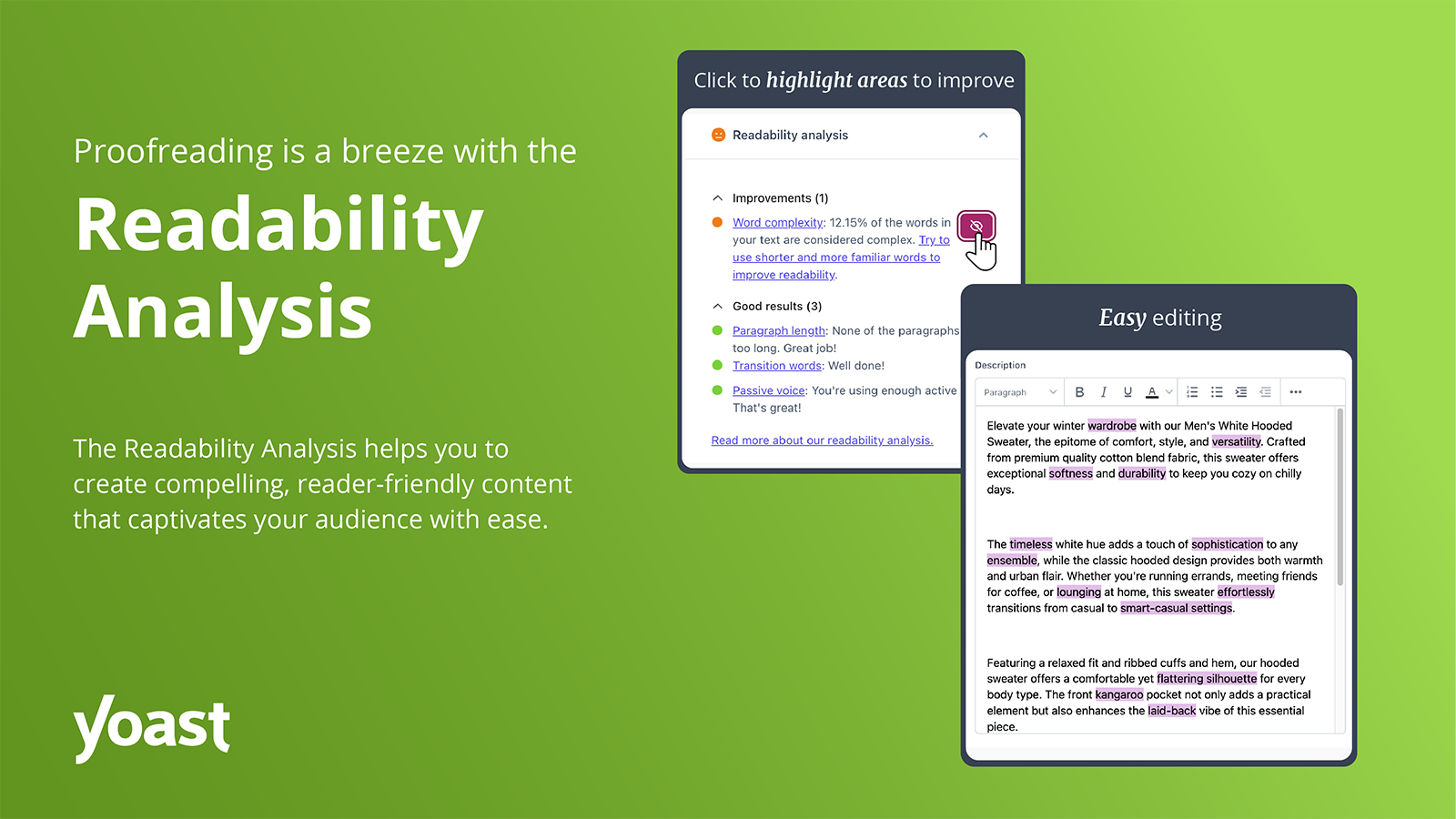
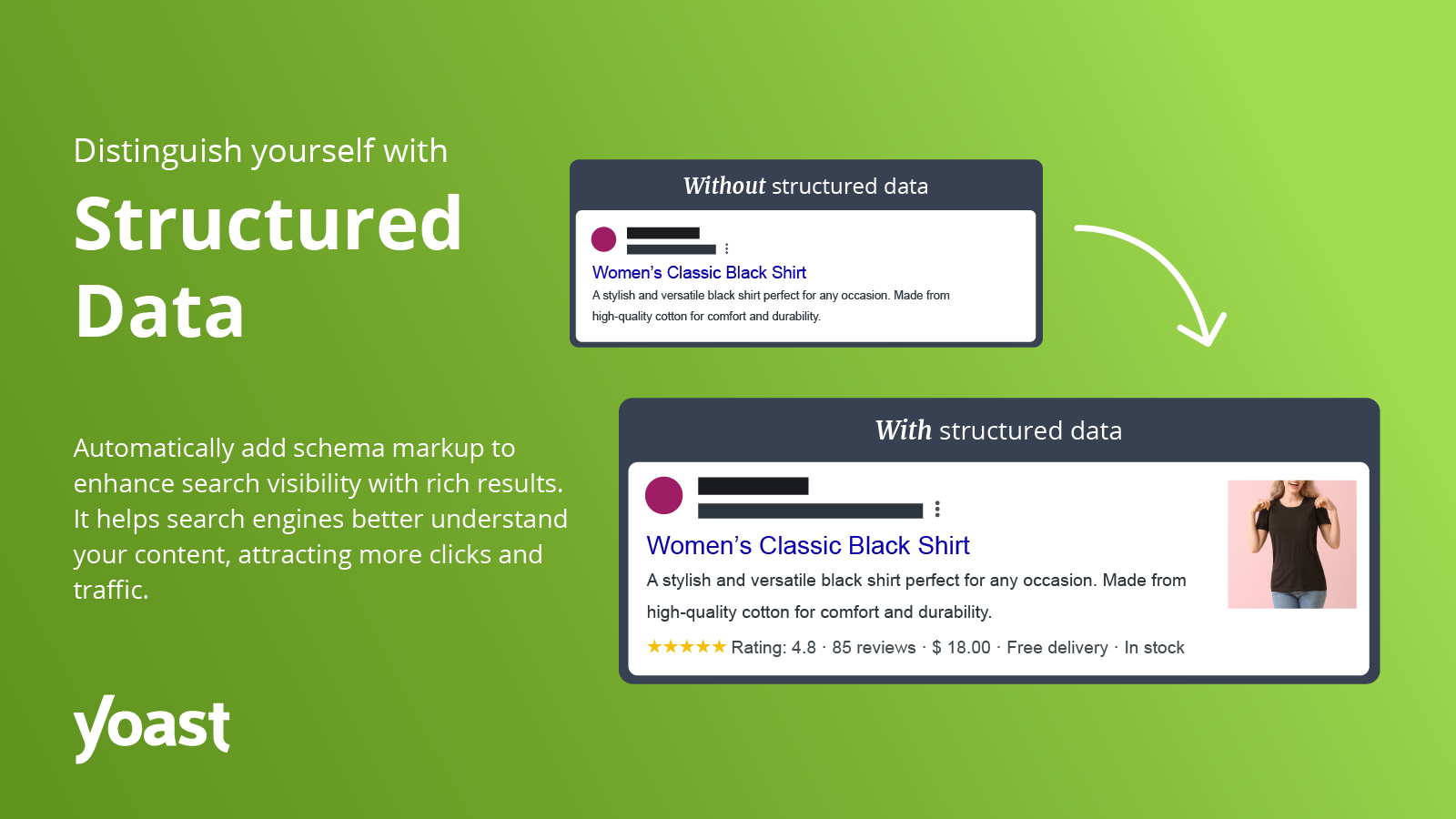
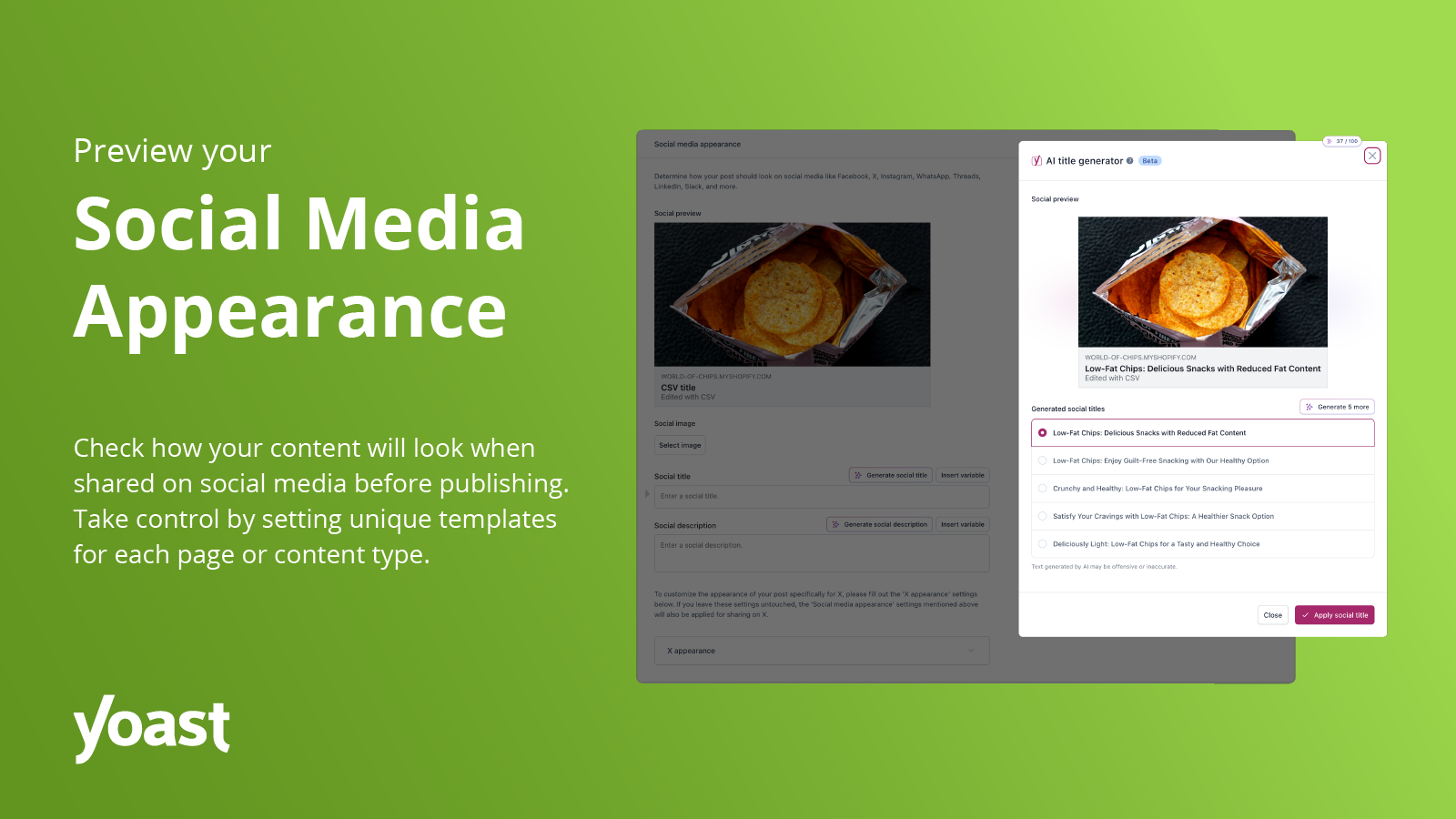
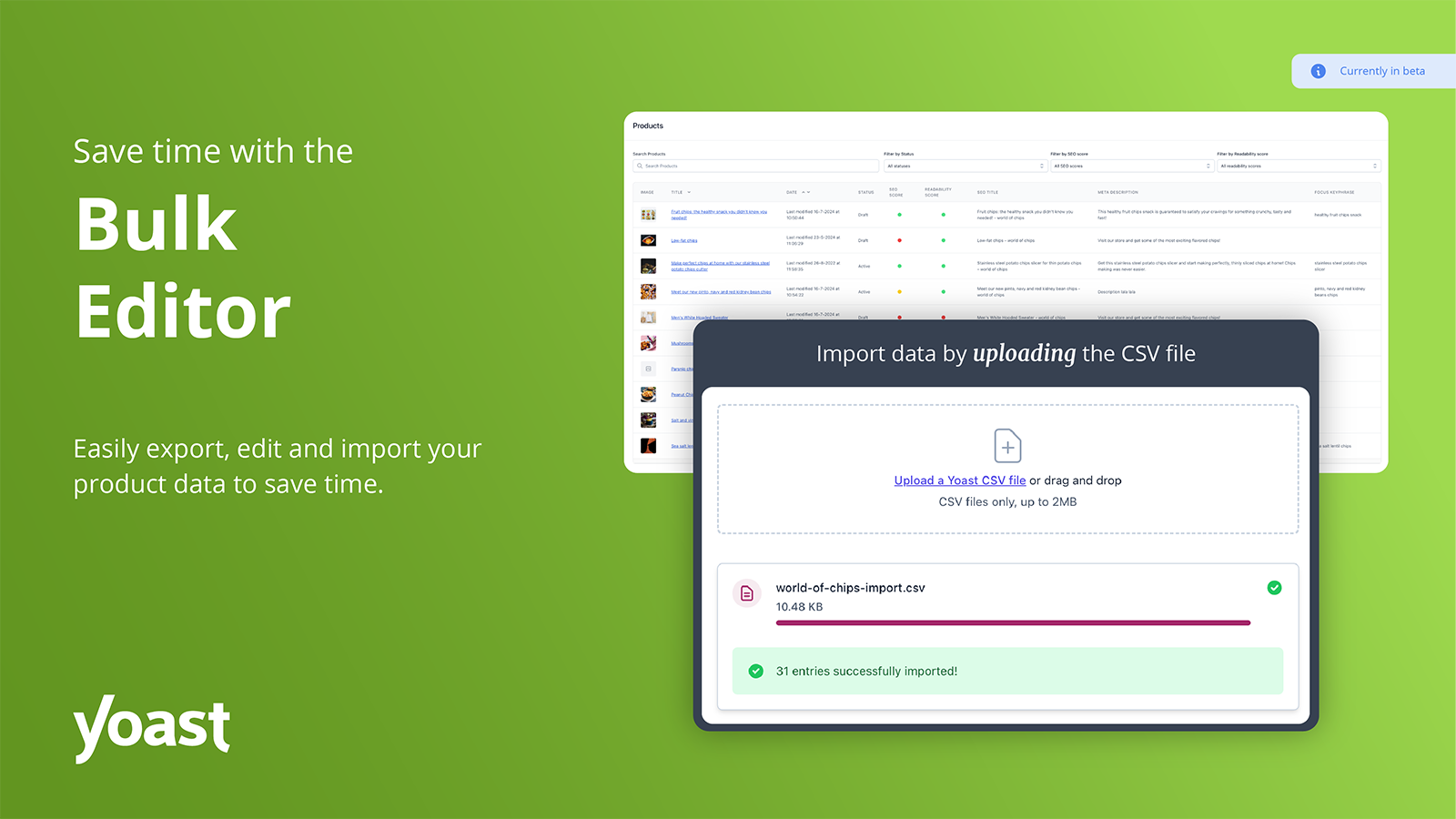
This meant close collaboration with the engineering team to ensure the analysis engine could both detect issues and resolve them through Shopify’s APIs. The design constraints were as much technical as they were visual.
Process
The project operated in two-week cycles with weekly stakeholder reviews. I worked across Figma prototypes, developer handoff specs, and user testing sessions with existing Shopify merchants who had never used Yoast.
Rapid iteration was essential. The Shopify app store rewards quick, polished launches and punishes anything that feels bolted-on. We shipped an MVP that was narrower in scope than the WordPress plugin but felt native to Shopify from day one.
What happened
The Shopify app launched with a 2.4-star rating from merchants who expected the WordPress plugin and got something unfamiliar. Six months of merchant-first redesign took it to 3.8 stars.
| App store rating | Stars / 5 |
|---|---|
| At launch | 2.4 |
| Six months on | 3.8 |
- Figma
- Miro
- Shopify CLI
- React
- Ruby on Rails